What is radon and why it matters
Radon is a naturally occurring radioactive gas produced by the decay of uranium in soil and rock. It can seep into buildings through cracks in foundations, gaps in construction, and other openings. Long-term exposure to elevated radon levels increases the risk of lung cancer—the EPA considers radon a serious public health concern.
Colorado geology makes radon more prevalent than in many other states. Testing is the only way to know if your home has a radon problem.
Colorado radon risk levels
The EPA divides the United States into radon risk zones. Much of Colorado falls into Zone 1—the highest risk category, where radon levels are expected to be 4 pCi/L or higher. This means homes in Colorado are more likely to have elevated radon than the national average, making testing essential for any property purchase.
How radon testing works
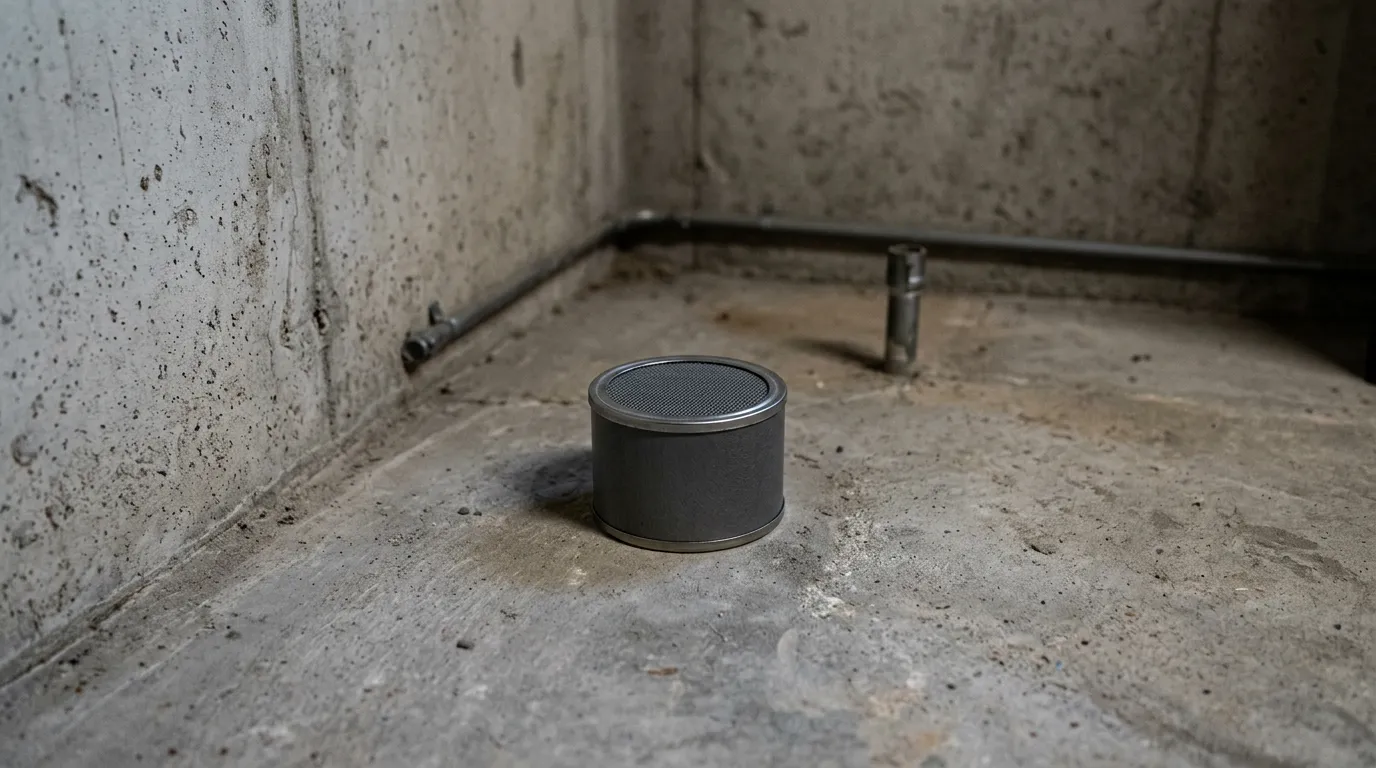
We place radon detectors in the home's lowest occupied level (usually the basement) for a minimum of 48 hours. The detector collects air samples to measure radon concentration. Results show whether levels are below or above the EPA's action level of 4 pCi/L. Testing is non-invasive and non-destructive.
What to do if radon is found
Elevated radon is treatable. Radon mitigation systems—typically a vent pipe and fan that draw radon from beneath the foundation and exhaust it safely outside—are effective and relatively affordable. If testing reveals high radon, you can negotiate mitigation costs with the seller or factor them into your purchase decision.