
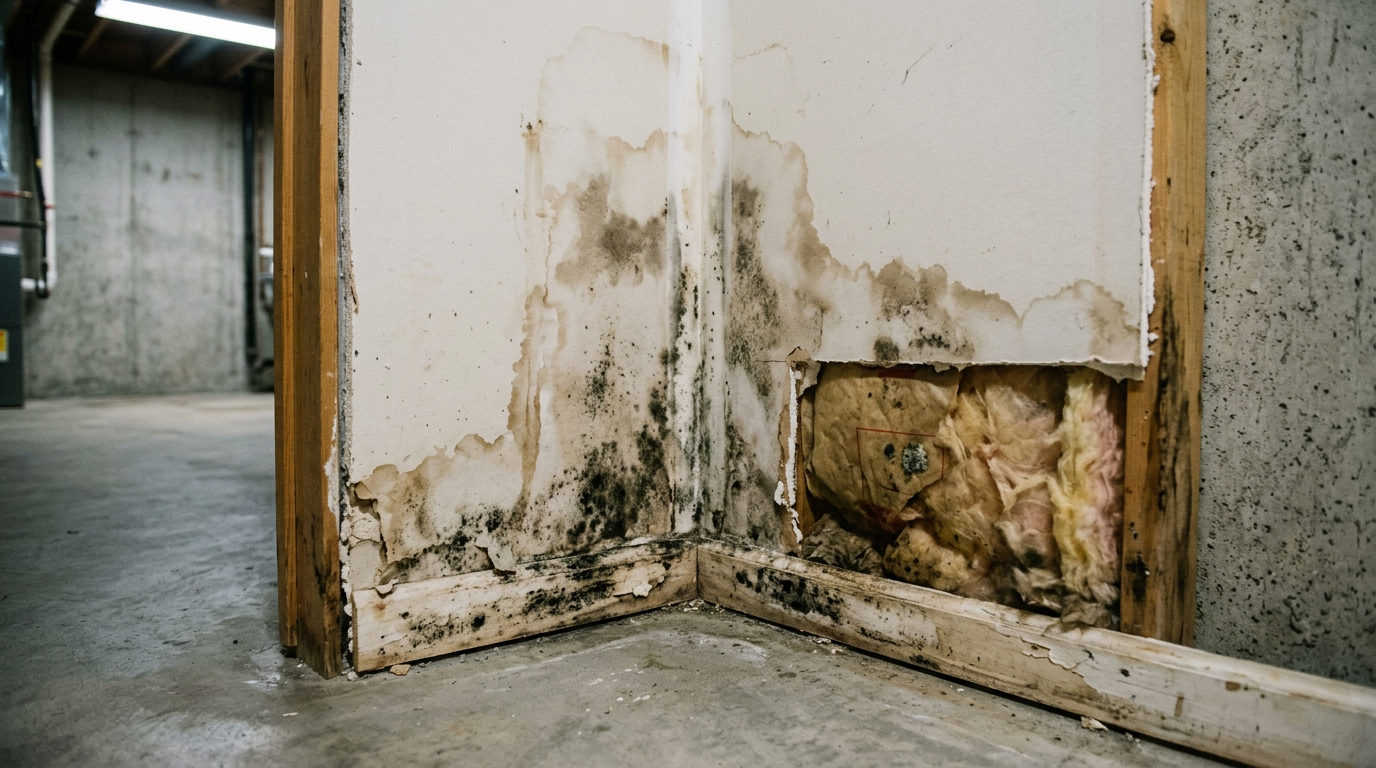
What is Mold and Where Does it Grow?
Mold is a type of fungus that breaks down organic material in moist environments. It thrives in damp areas with poor air circulation: basements, crawl spaces, bathrooms, kitchens, around windows, and under roofing leaks. Mold spores are everywhere in the air, but they only germinate when conditions are right—typically moisture combined with organic material (wood, drywall, insulation) and moderate temperatures.
Mold grows on surfaces but also extends into materials, making some infestations difficult to see. That's why professional inspection and testing are often necessary.
Health Impacts and Risk Factors
Mold exposure can trigger allergic reactions, respiratory symptoms, and asthma attacks, particularly in people with sensitivities. Children, elderly individuals, and those with compromised immune systems face greater risk. Some molds produce mycotoxins, compounds that can cause additional health effects with prolonged exposure.
Not all mold is equally hazardous, but identifying the type, extent, and location of contamination helps you understand the actual risk to your household. Professional testing can determine mold species and spore levels.
Signs of Mold Problems
Look for visible mold growth (dark spots or discoloration on surfaces), musty odors, water staining, soft or warped materials, or recent water damage. These signs warrant professional inspection. Sometimes mold hides in wall cavities or under flooring, making visual inspection insufficient—testing becomes necessary.
If someone in your household develops unexplained respiratory problems after moving into a home, or if you notice persistent moisture issues, mold testing may be worthwhile.
Mold Testing and Assessment
Professional mold inspection includes visual assessment of visible growth, evaluation of moisture conditions, and identification of areas prone to mold development. When contamination is suspected but not visible, we conduct air and surface testing using laboratory analysis. Air samples measure spore counts and identify mold species; surface samples show what's growing on specific materials.
These results help determine whether remediation is needed and guide the scope of cleanup efforts.
Remediation and Prevention
Small mold patches can often be cleaned with appropriate cleaners and ventilation. Larger contamination typically requires professional remediation to safely remove affected materials and prevent spread. After cleanup, the key is addressing the moisture source—whether that's fixing leaks, improving drainage, installing exhaust fans, or enhancing ventilation.
Prevention requires moisture control: maintain proper grading and gutters, insulate pipes to prevent condensation, use exhaust fans in bathrooms and kitchens, and keep humidity levels below 60% through adequate ventilation.