
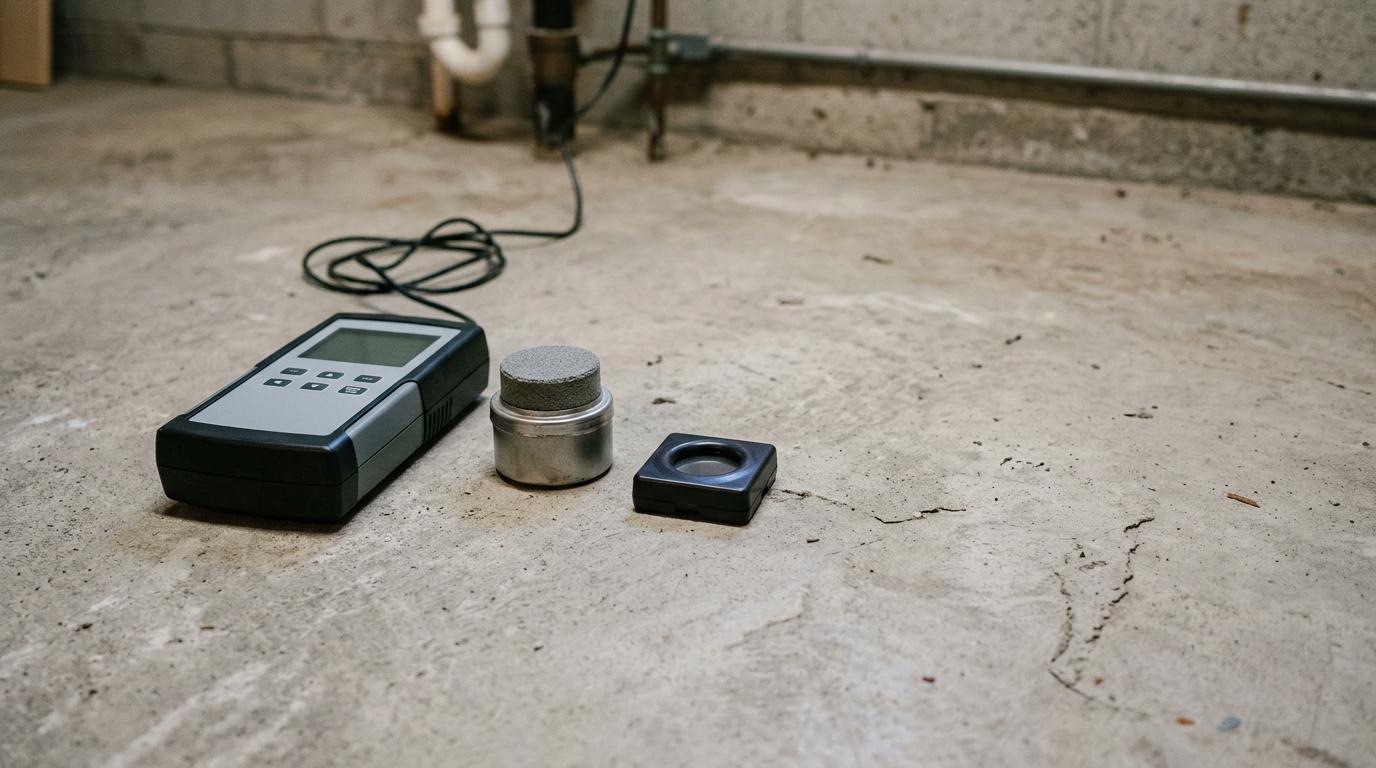
What is Radon and How Does It Get Into Homes?
Radon is produced by the natural decay of uranium in soil and rock. It seeps into buildings through foundation cracks, sump pumps, crawl spaces, and gaps in construction. Because it's heavier than air, radon concentrates in lower levels—basements and ground-floor rooms are typically most affected.
Every building has some radon; the question is whether levels are elevated enough to pose health risk. This varies dramatically by location and building construction. Testing is the only way to know your actual exposure.
Health Risks and EPA Recommendations
Radon is the second leading cause of lung cancer in the United States after smoking. The EPA recommends testing all homes and mitigating if levels exceed 2.0 pCi/L (picocuries per liter). Long-term exposure to elevated radon significantly increases cancer risk, particularly for smokers and former smokers.
The good news: radon-related lung cancer is preventable through testing and mitigation. Awareness and action can protect your family.
How to Test for Radon
Short-term tests (2-90 days) and long-term tests (3-12 months) both provide valid measurements. Professional testing ensures proper placement and duration according to EPA protocols. Test results are typically available within days or weeks depending on the testing method.
For home purchases, short-term testing during the inspection period is common. If results are elevated, buyers can negotiate for mitigation or credits.
Radon Mitigation Options
Mitigation typically involves installing a sub-slab depressurization system that directs radon-laden soil gas away from the foundation and vents it safely to the atmosphere. This is highly effective at reducing radon levels by 99%. Costs vary by foundation type and complexity but are typically in the range that justifies the health benefit.
Some homes may benefit from sealing foundation cracks, improving ventilation, or installing a sump pump cover—simpler steps that complement professional mitigation.
Testing and Planning for Your Home
Every homeowner should test for radon, particularly in basements or ground-floor living spaces. If you're buying a home, radon testing is a standard inspection contingency. Results guide negotiation and help you plan remediation investments if needed.
Post-mitigation testing confirms that your system is working effectively. Regular testing (every few years) ensures your protection remains adequate.